
The Art Of Sabrage
A Timeless Tradition
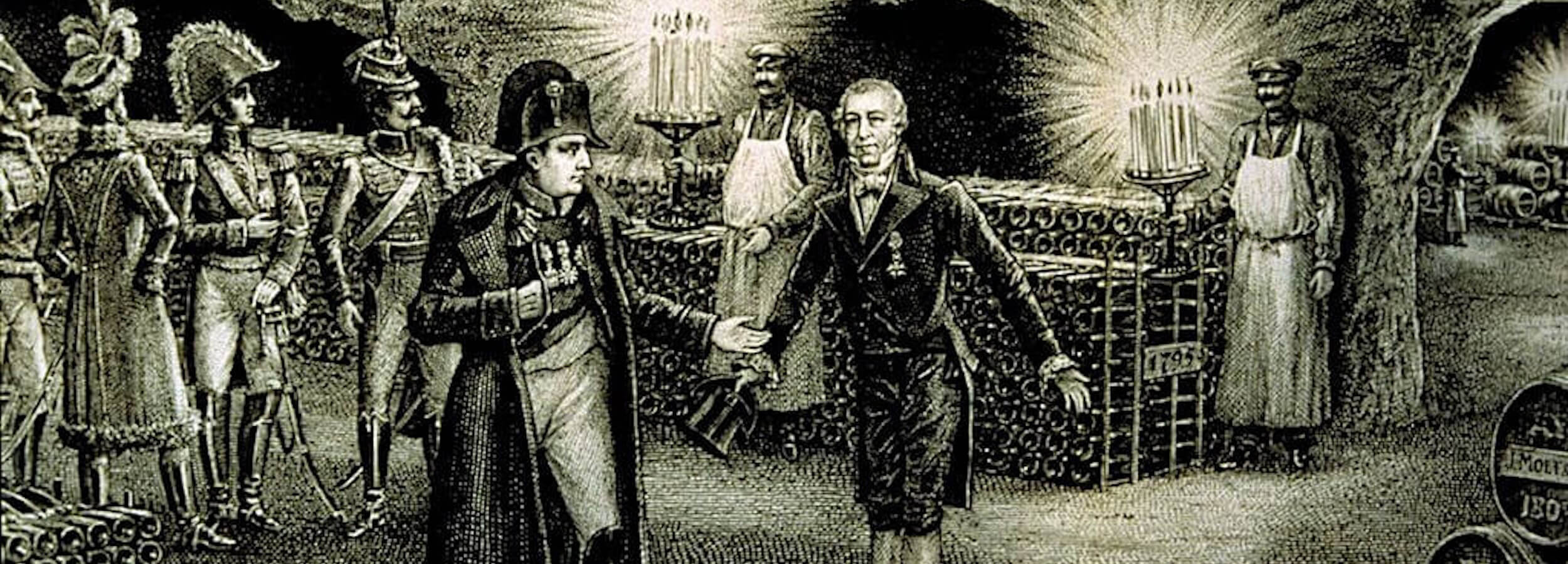
Sabrage — the ceremonial art of opening a Champagne bottle with a sabre — is a dramatic ritual that traces back to the Napoleonic era. It is said that Napoleon’s hussars marked their victories by swiftly slicing the necks of Champagne bottles with their sabres, turning this bold gesture into a symbol of triumph and celebration.
Embracing this legacy, sabrage endures as a refined expression of occasion — transforming celebration into a defining moment.
The MOD LUXE Sabrage Guide
Whether celebrating a wedding, marking a corporate milestone, or honouring a personal achievement, follow this step-by-step guide designed to ensure precision, safety, and a flawless ceremonial strike.
Before You Begin: Ensure Safety
Before beginning, ensure you are performing sabrage in a safe, open environment — clear of people, pets, and fragile objects — with ample space for the cork and glass collar to fly freely.

Step 1
Chill the Champagne
Ensure the bottle is thoroughly chilled before attempting sabrage. The ideal temperature is between 3–5°C, as proper chilling minimises foaming and supports a clean, controlled break.
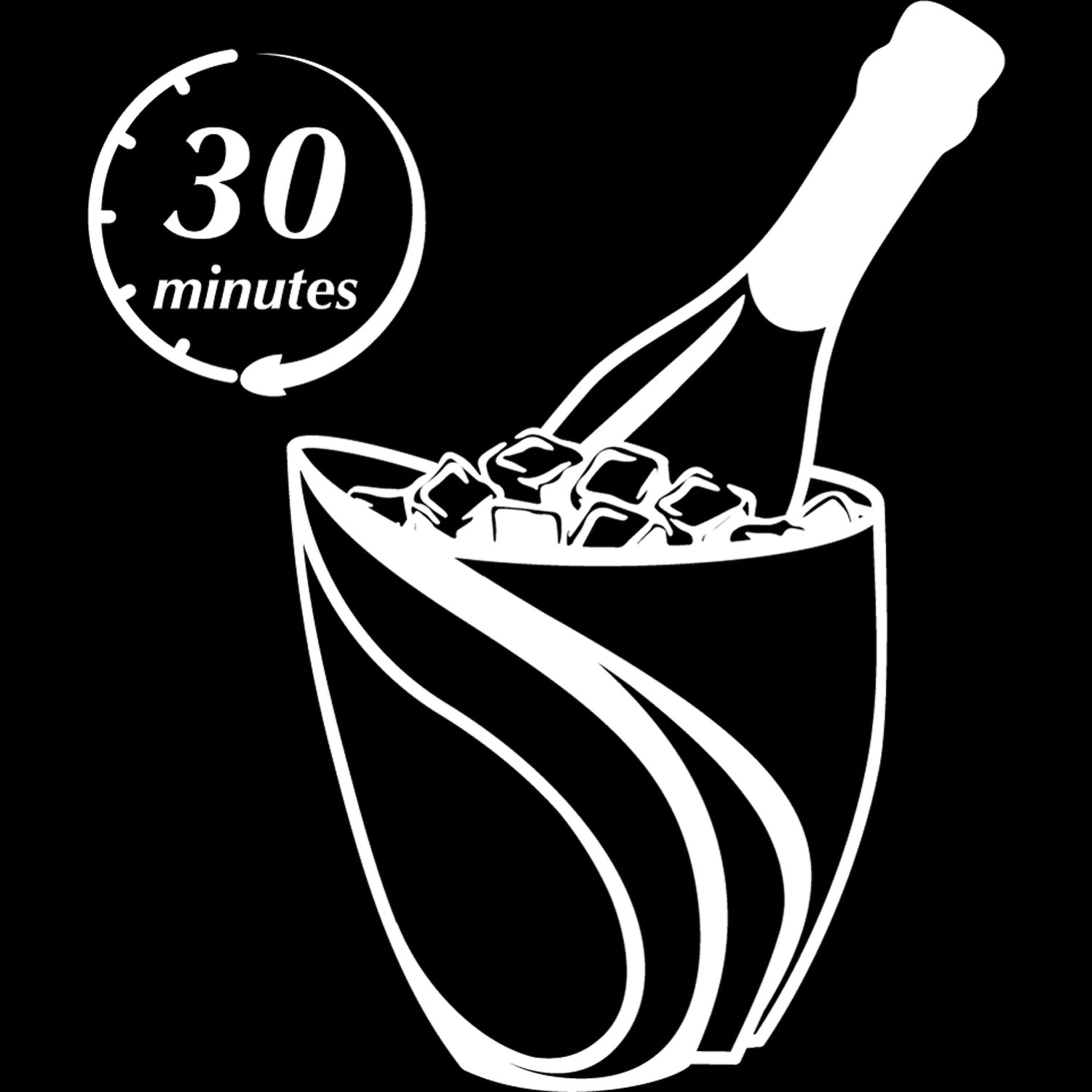
For optimal results, refrigerate the bottle for at least four hours. If using an ice bucket, allow 30 minutes. For quicker results, place the bottle neck-down in ice so the collar reaches the ideal temperature more efficiently.
PREPARE THE BOTTLE

Step 2
Wipe the Bottle
Ensure the bottle is completely dry before proceeding. A clean, dry surface provides a firm, controlled grip during the strike.

Step 3
Remove the Foil
Without disturbing the bottle, carefully remove the foil to fully expose the neck. This creates a clear, unobstructed path for the sabre.

Step 4
Remove the Wire Cage
Loosen the wire cage by twisting the loop anticlockwise, keeping your thumb firmly on the cork at all times to prevent premature release.
Find Your Grip and Position

Step 5
Position the Bottle
Hold the base of the bottle with your non-dominant hand, placing your thumb securely in the punt for stability. Tilt the bottle to a 30–45° upward angle, directing it away from yourself and others to ensure the cork and collar release safely.

Step 6
Position the Sabre
Locate the seam of the bottle — the vertical line where the glass is fused.
Grip the sabre with your dominant hand and place the flat side of the blade firmly along the seam, positioning it near the base of the neck. Align your motion toward the point where the seam meets the lip — the bottle’s natural stress point — to achieve a clean break.
Step 7
Perform the Strike

In one smooth, confident motion, glide the sabre along the seam toward the lip, allowing its weight — rather than force — to carry the movement. Follow through cleanly past the lip so the cork and glass collar release freely.
Voilà! Toast to Your Success!
Master the Art of Sabrage
An Expert-Led Masterclass at Champagne Bar Sydney

Environmental Responsibility
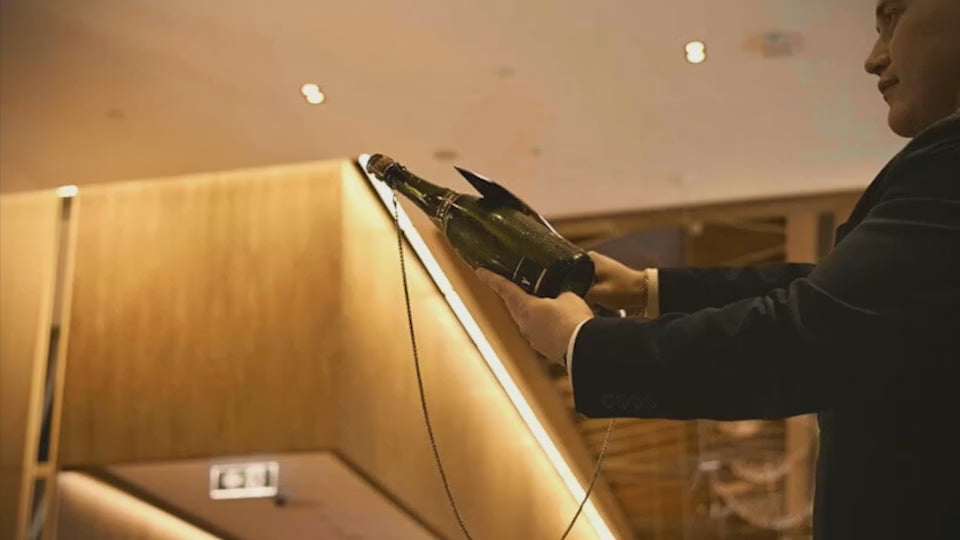
If performing sabrage near water, delicate surroundings, or in shared spaces, consider using a sabrage chain to safely retain the cork and glass collar.
Always collect and responsibly dispose of corks and glass fragments to protect both people and the environment.
Embrace responsible sabrage with #SabrageWithCare
Mastering Sabrage with the Chain

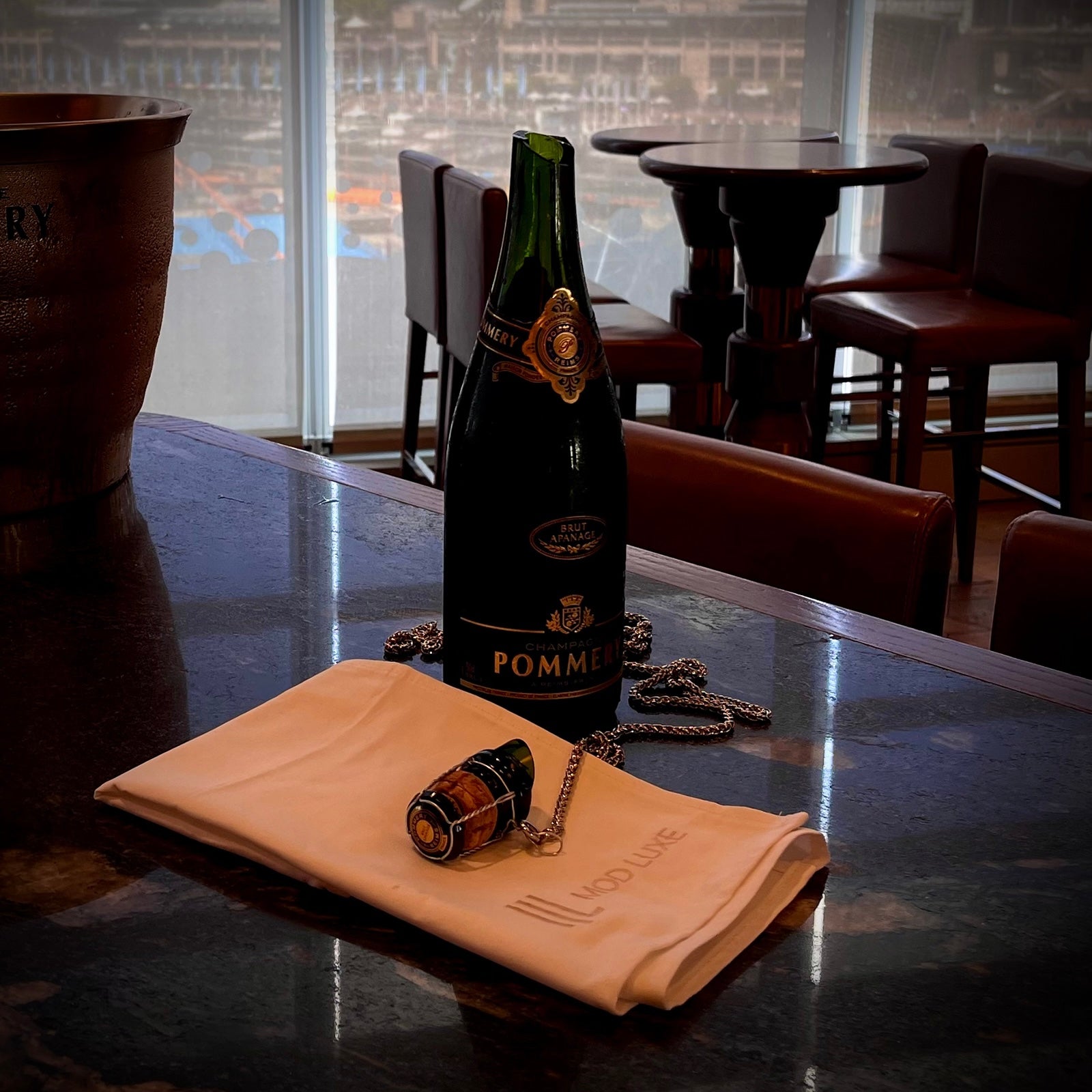
Refining Your Technique
Perfecting Your Technique
If performing sabrage for the first time, rehearse the movement before striking. Glide the sabre along the seam, stopping just before the lip without making contact. Repetition builds confidence and supports a smooth, controlled execution.
If the sabrage doesn’t work on the first attempt, remain composed.
Strike Again
Repeat the motion confidently along the same seam.
Reverse the Bottle
Rotate the bottle to align with the seam on the opposite side. Some bottles fracture more cleanly from one angle than the other.
Re-Chill if Necessary
If separation does not occur after one or two attempts, return the bottle to ice. Proper chilling — ideally between 3–5°C — is essential for a clean break.
For Added SAFETY
Choose high-quality Champagne bottles with a straight neck and substantial glass thickness. Traditional profiles are best suited for sabrage, as they are designed to withstand internal pressure. Avoid bottles with unusual contours, cracks, chips, or visible imperfections, as structural weaknesses increase the risk of fracture.
After sabrage, allow a small amount of Champagne to flow over the opening to rinse away potential glass residue. Before pouring, examine the edge carefully to ensure it is clean and free of fragments.

After opening
NEVER Hold the Bottle by its Neck
After sabrage, always maintain control by holding the bottle firmly at its base.
The neck may become slippery; supporting it from below ensures control and stability.
Frequently Asked Questions
Technique & Preparation
Sabrage is the ceremonial art of opening a Champagne bottle with a sabre. By striking along the bottle’s seam at the lip, the pressure inside the bottle releases the cork and glass collar in one clean motion — transforming a celebration into a defining moment.
To saber Champagne safely, ensure the bottle is thoroughly chilled (3–5°C), remove the foil and wire cage, locate the seam, and strike confidently along the seam toward the lip using the flat side of the blade. Always perform sabrage in an open space and angle the bottle away from yourself and others at approximately 30–45 degrees.
The ideal angle is between 30–45 degrees upward, tilted away from people and fragile objects. This ensures the cork and glass collar travel safely forward while maintaining control of the bottle.
Yes. Proper chilling is essential. Champagne should be between 3–5°C. Cold glass is more brittle, which supports a clean break and minimises excessive foaming.
Remain calm. Strike again along the same seam with a smooth, confident motion. If needed, rotate the bottle and target the opposite seam. If the cork still does not release, return the bottle to ice and ensure it is thoroughly chilled before attempting again.
Safety & Best Practices
When performed correctly, sabrage can be conducted safely. The internal pressure within the bottle expels potential glass fragments outward upon separation, leaving the Champagne unaffected.
However, proper technique, a suitable sabre, and adequate preparation are essential. Sabrage should always be performed in a clear, open space and approached with confidence and control.
Yes. The pressure inside the bottle typically expels loose glass fragments. For added precaution, allow a small amount of Champagne to flow out after opening and visually inspect the lip before pouring.
Select high-quality Champagne bottles with a classic straight neck and thick, sturdy glass. Traditional Champagne bottles are manufactured to withstand high internal pressure, making them ideal for sabrage. Avoid bottles with cracks, chips, or unusual shapes.
Yes — other sparkling wines such as Cava or Prosecco may be sabred. However, Champagne bottles are typically manufactured with thicker glass and higher internal pressure, making them more consistent for this technique.
Lower-pressure sparkling wines may separate less predictably and require additional care.
Do not pour immediately. Rinse the lip with a small flow of Champagne and inspect the edge carefully. If there are visible cracks or unstable fragments, discard the bottle for safety.
Tools & Equipment
Sabrage is not a cutting action. It is a controlled strike that relies on momentum and the internal pressure of the bottle.
The technique is performed using the flat side of the blade — not the sharpened edge — gliding firmly along the seam toward the lip to initiate a clean separation.
The SPLENDOUR Champagne Sabre by MOD LUXE is purpose-built for ceremonial sabrage and features a deliberately dull blade edge. It is engineered for controlled impact rather than cutting.
In theory, yes — using the spine of a sturdy knife. However, a properly balanced Champagne sabre offers greater control, weight distribution, and safety, especially for beginners.
History & Background
Sabrage traces its origins to the Napoleonic era. It is said that Napoleon’s hussars marked their victories by slicing open Champagne bottles with their sabres, transforming the act into a symbol of triumph and celebration.
Today, sabrage endures as a refined ritual — a dramatic expression of occasion.
Sabrage relies on controlled force and internal pressure.
During secondary fermentation, Champagne builds significant internal pressure — typically around 620 kilopascals. This pressure exerts considerable outward force on the cork.
Champagne bottles contain natural stress points: the vertical seam and the lip where the glass is fused. At their intersection, the glass is structurally weaker. When the sabre strikes this junction with decisive momentum, a fracture forms and propagates rapidly through the neck.
The bottle’s internal pressure then completes the separation, projecting the cork and collar cleanly away.
Experience the Ritual with SPLENDOUR
Purpose-built for ceremonial performance.
Crafted for precision. Engineered for controlled impact.

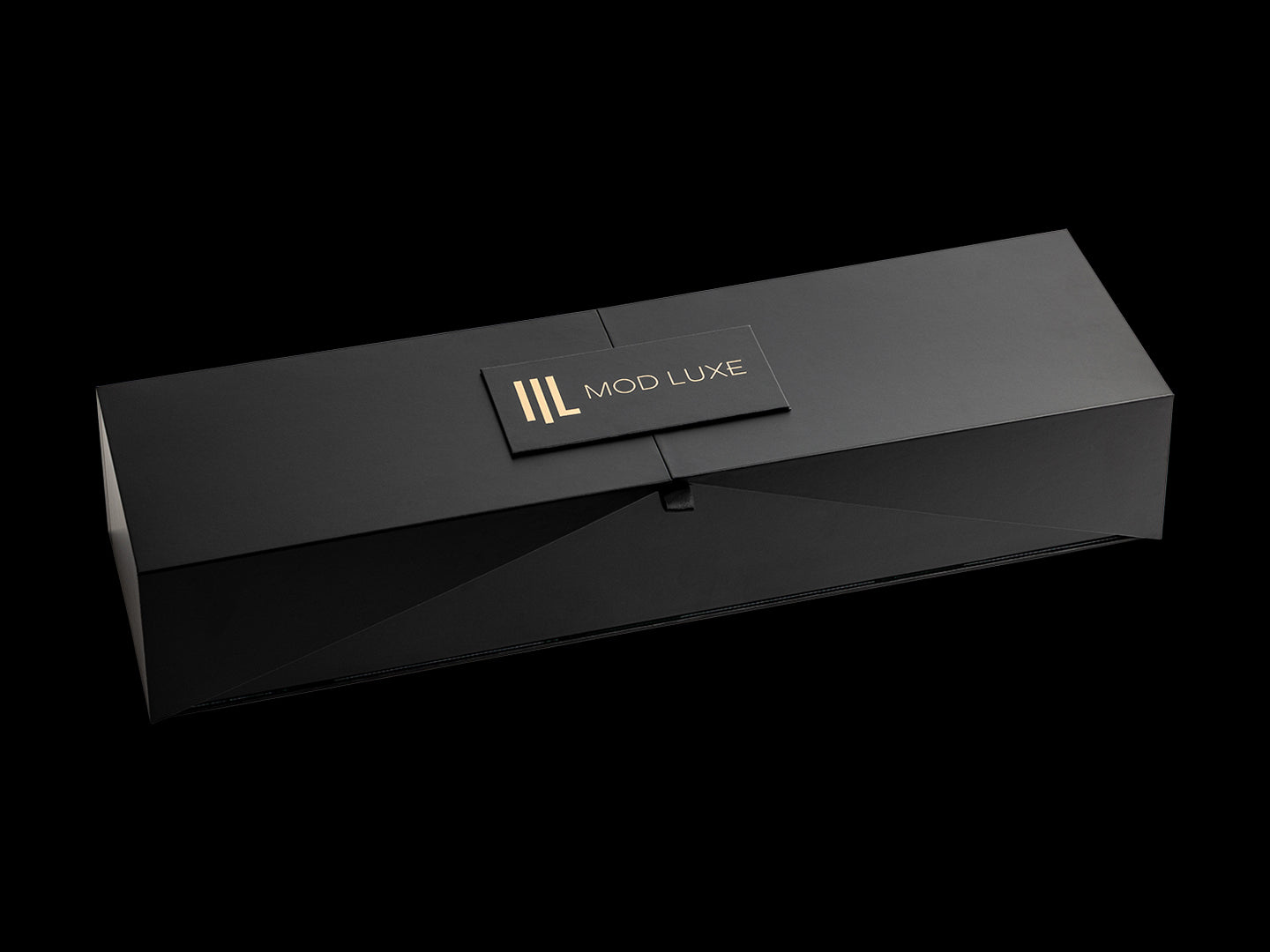
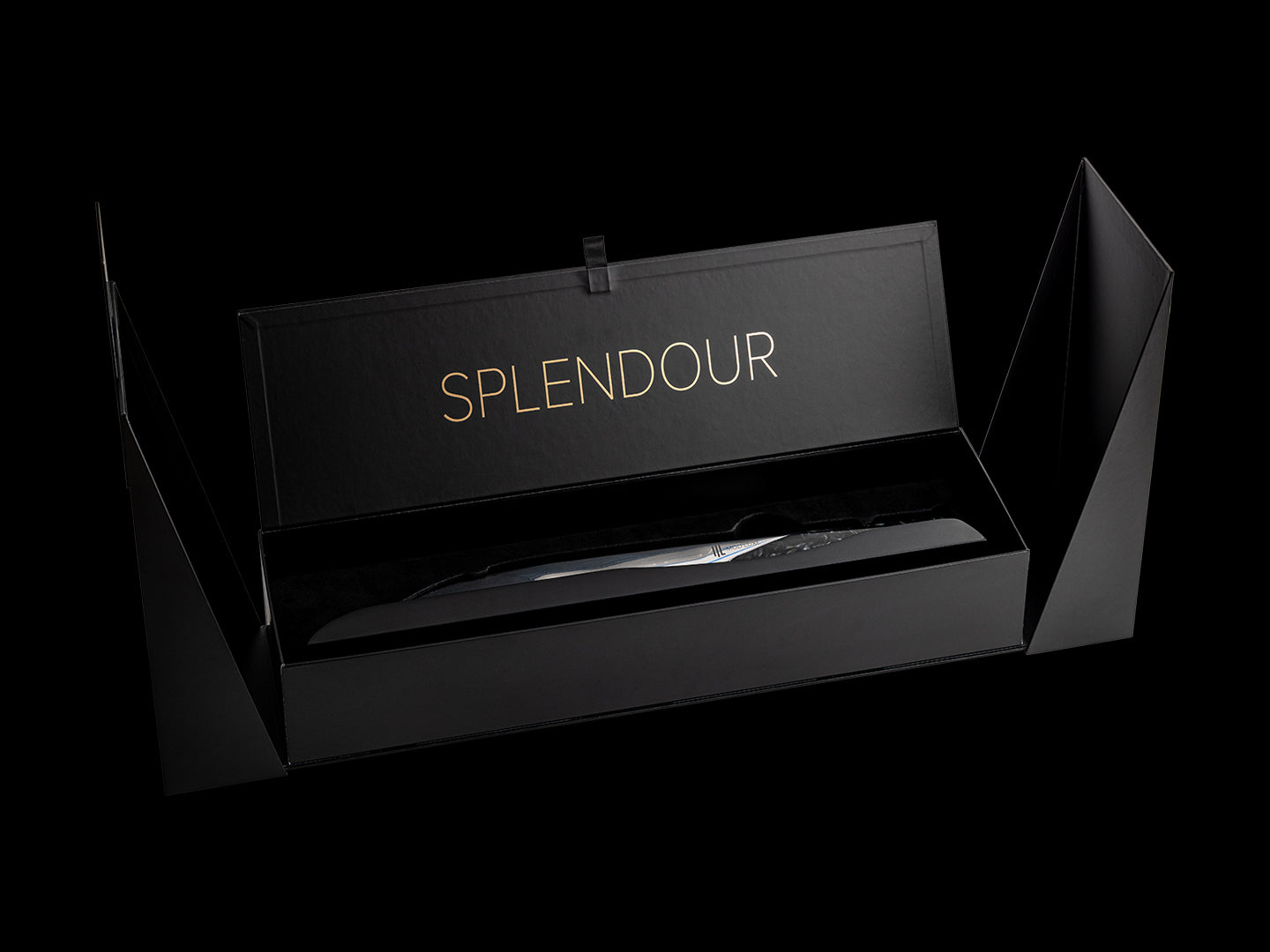
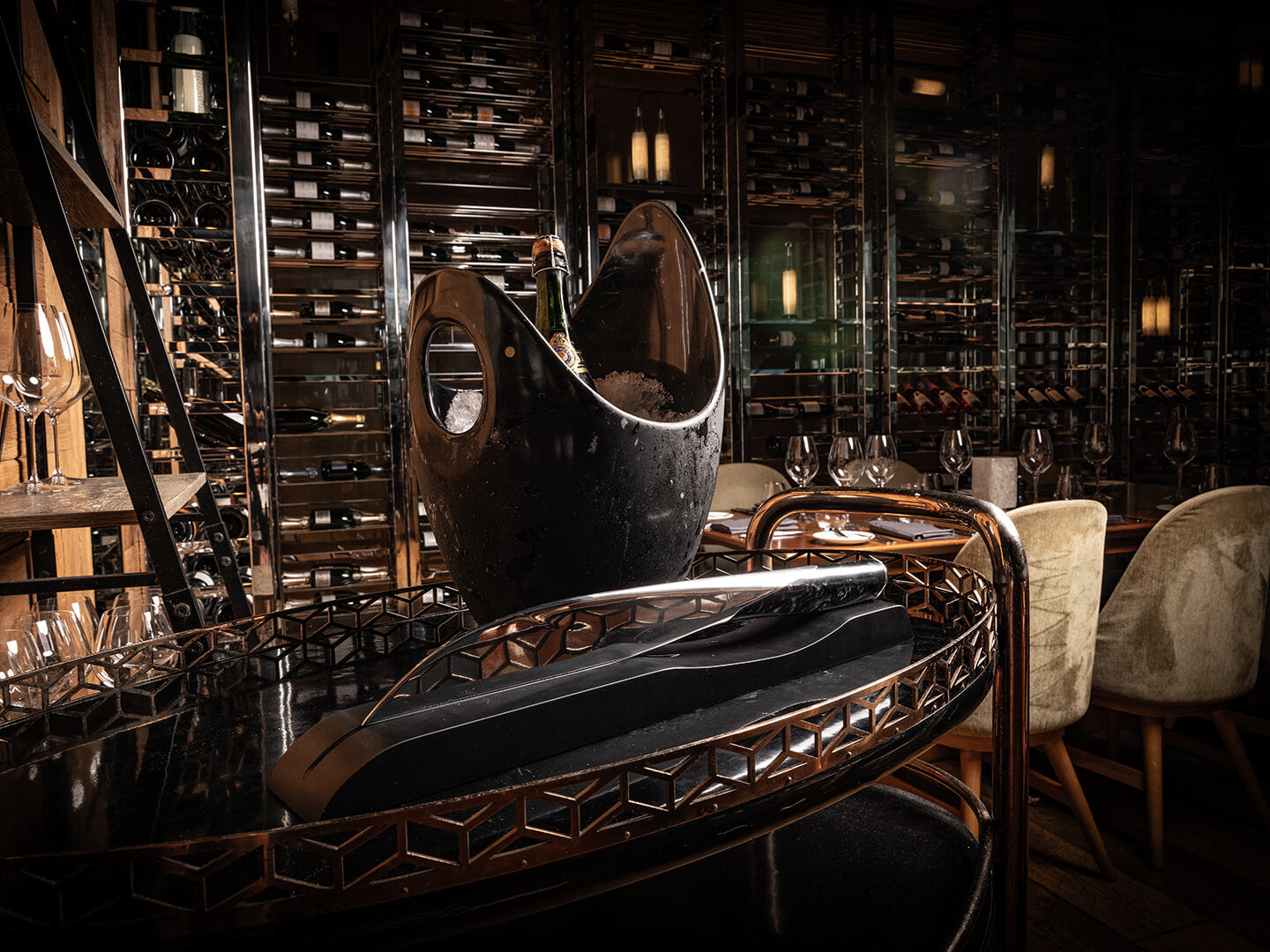
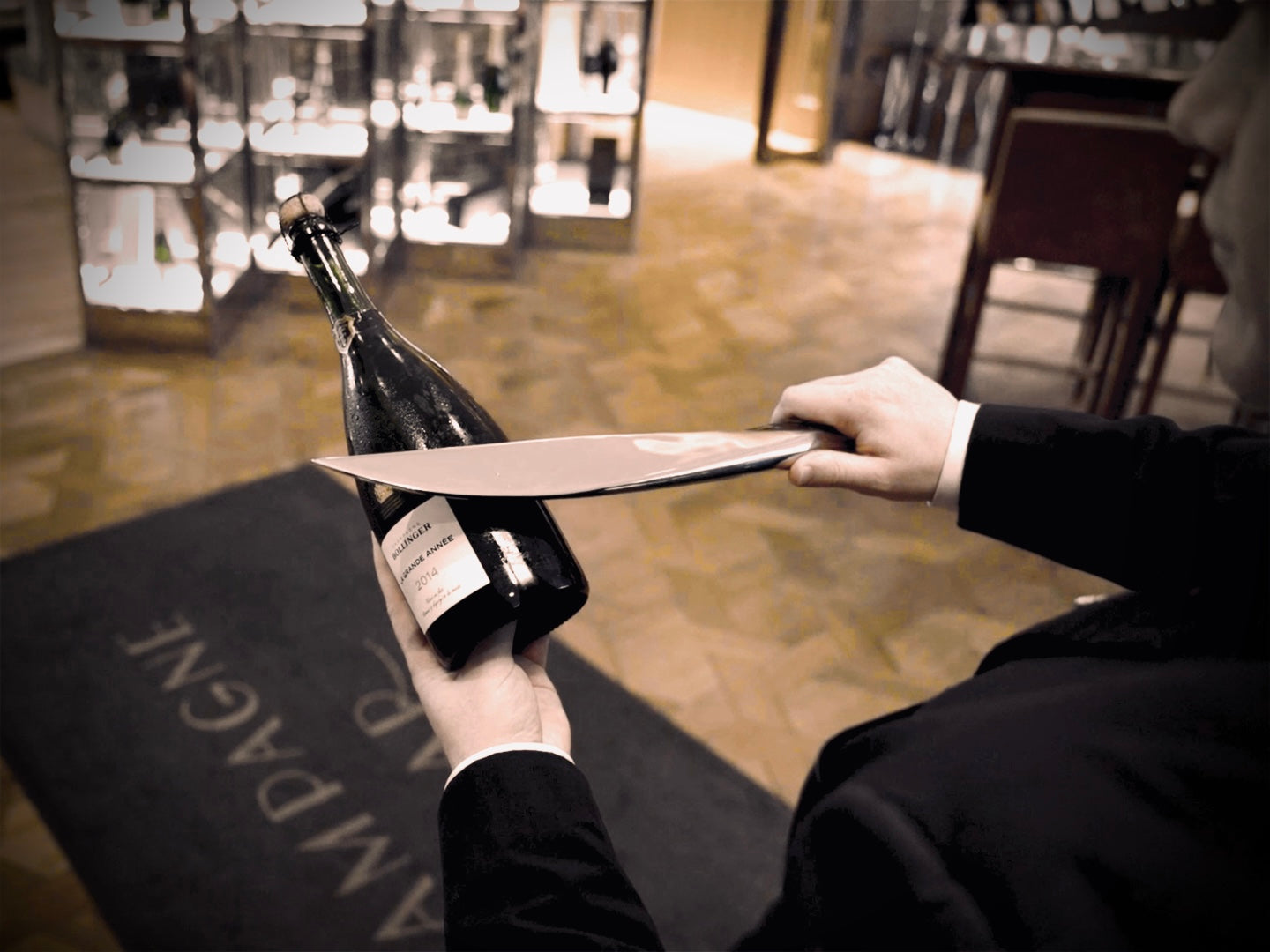
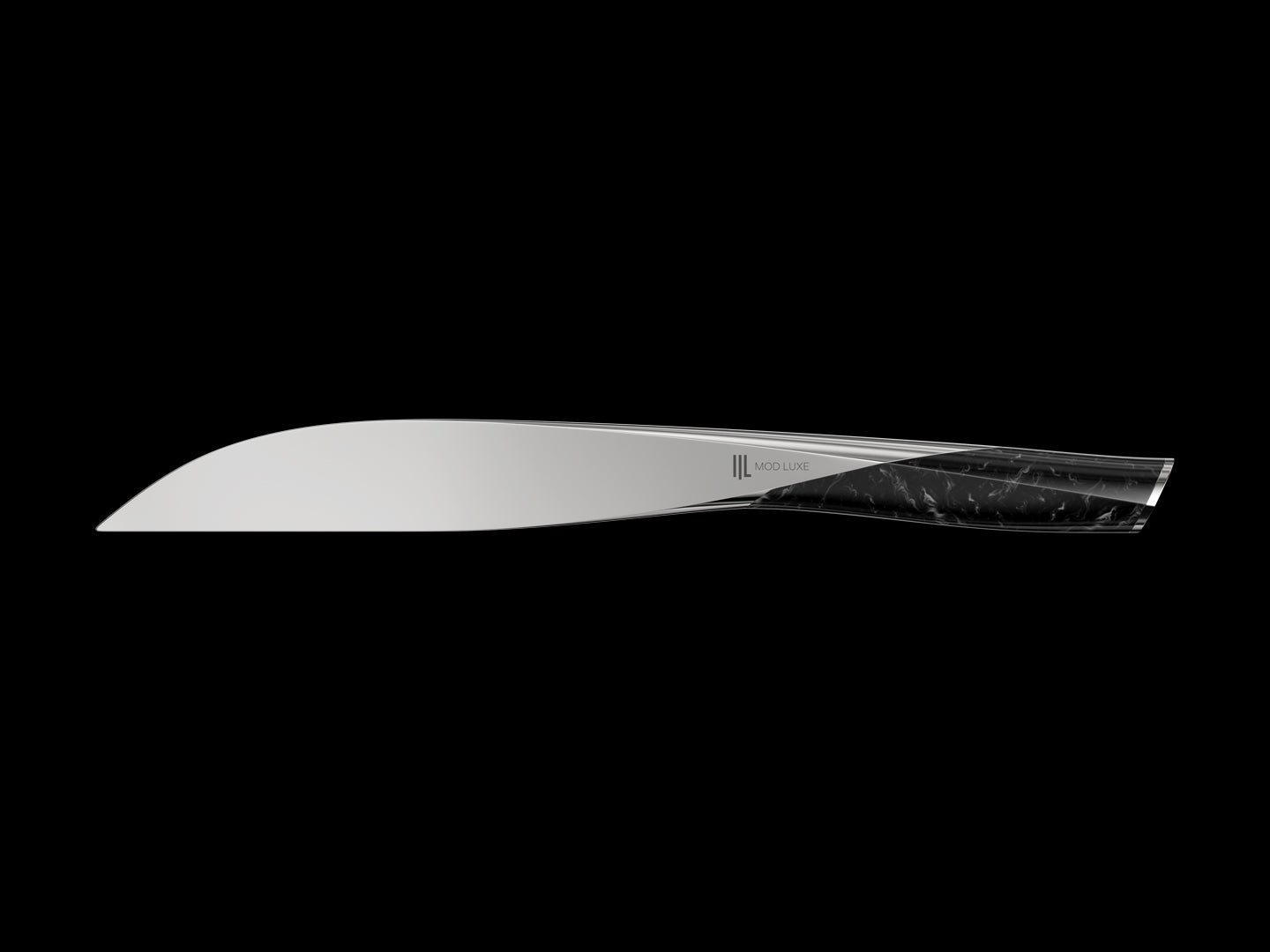
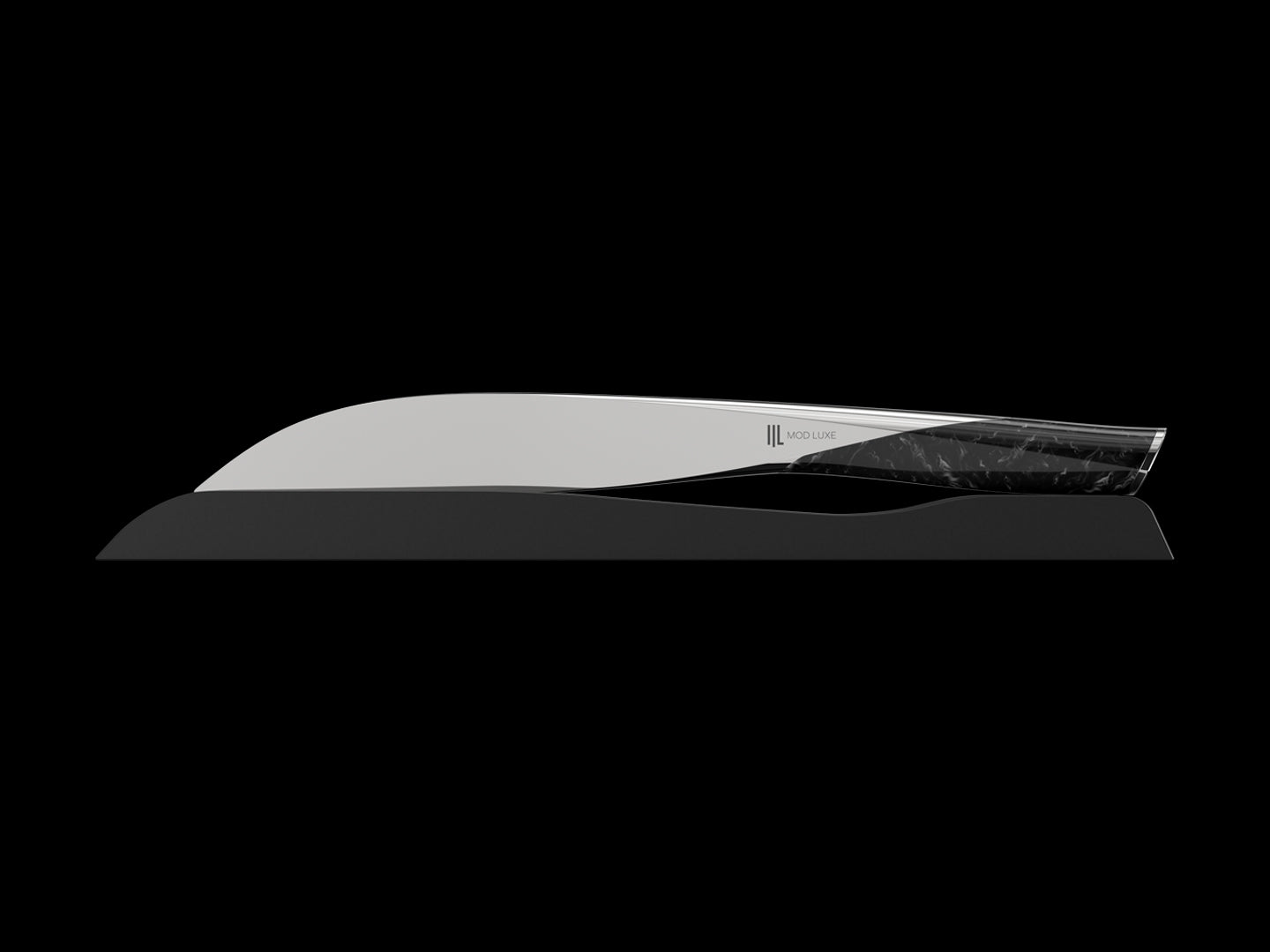
The SPLENDOUR Champagne Sabre
Create Your Personalised SPLENDOUR
Please review the following before proceeding:
Personalised engraving requires an additional 2–3 business days prior to dispatch.
Personalised items are not eligible for our 14-day return policy.
All personalised pieces remain covered under our limited warranty.

Not sure what to engrave?
Discover curated message ideas tailored to your occasion.